
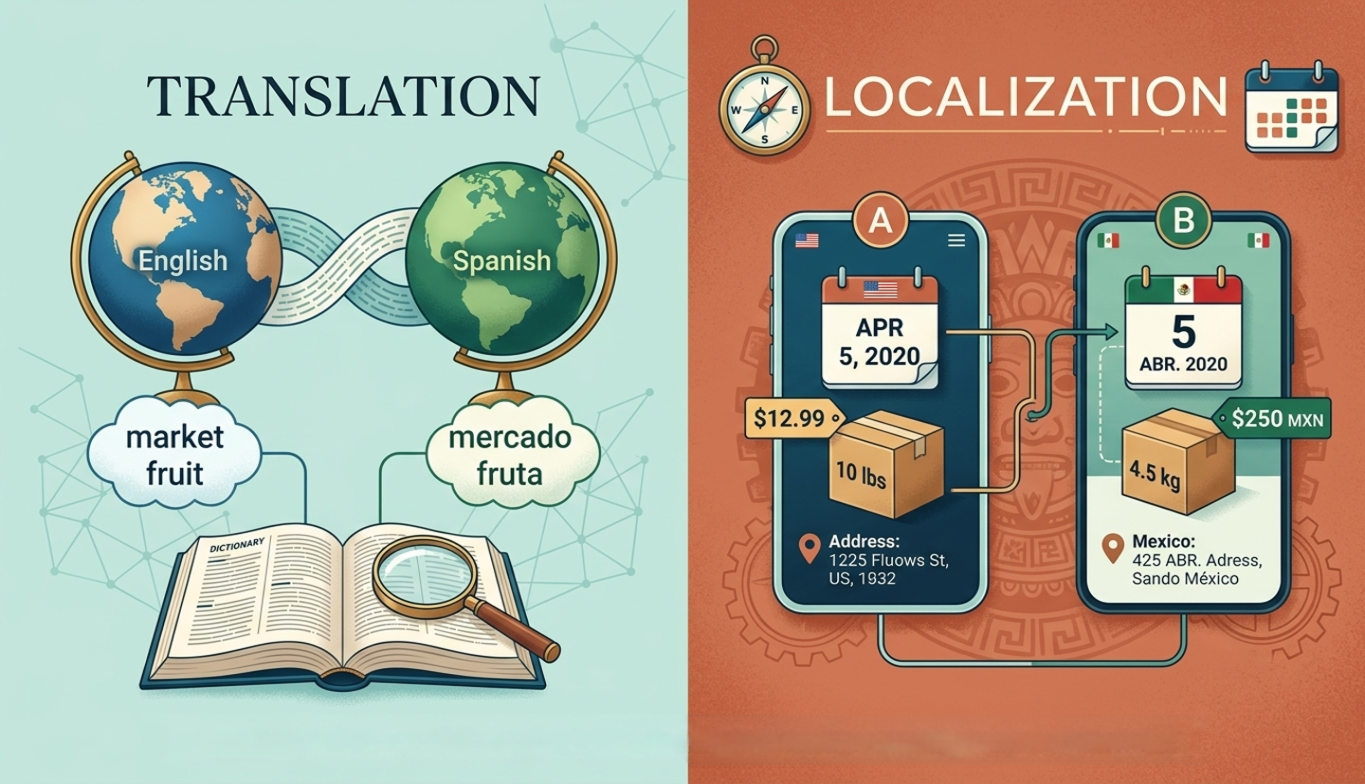
🔑 Translation and Localization: What is the Difference?
While often used interchangeably, translation and localization are distinct processes with different goals. Translation focuses on the linguistic conversion of text from one language to another, whereas localization is a comprehensive approach to adapting a product or piece of content to a specific locale, considering cultural, legal, and social nuances.
To manage these complexities at scale, companies rely on Lang Q to ensure that their global messaging remains consistent and culturally relevant.
🛡️ The Importance of a Localization Audit Trail
When multiple contributors collaborate on a global project, the risk of version conflict increases. A common nightmare for product teams is discovering a translation error in a live release without knowing who made the change or why it happened.
Without a robust localization audit trail, small edits can evolve into major production issues. The lack of visibility into the editing process leads to several critical problems:
- Slower Troubleshooting: Finding the root cause of a bug takes significantly longer when there is no history of changes.
- Weakened Accountability: It becomes impossible to determine which linguist or manager approved a specific string.
- Increased Risk: Unmonitored overwrites or renamed strings can break the user interface or lead to inconsistent branding.
📋 How to Track and Govern Translation Changes
Effective governance is the only way to prevent "translation chaos." To maintain a high-quality user experience, teams should implement a structured monitoring system.
- Implement Version Control: Ensure every change to a string is timestamped and linked to a specific user profile.
- Establish Approval Workflows: Require a second pair of eyes for critical UI elements before they are pushed to production.
- Monitor Real-Time Edits: Use tools that notify stakeholders when key phrases are modified.
- Maintain a Change Log: Keep a detailed record of why certain linguistic pivots were made to avoid repeating the same mistakes.
By leveraging the governance features within Lang Q, organizations can transform their localization process from a risky manual effort into a streamlined, transparent operation.
Mastering the balance between translation and localization is essential for any brand eyeing global growth. By prioritizing visibility and accountability through a dedicated audit trail, you can ensure your product speaks the local language perfectly every time.